
“For the Indian architect, every built form is a mandala, a model that represents the nature of the cosmos. The architect creates public as well as private spaces that symbolize and incarnate the nonmanifest, which we glimpse through religion, philosophy, and the arts. From ancient sacred structures like stupas to modern low-rise housing, Indian architecture reflects forms found in India’s geography, which have meaning for another landscape: that of the Indian consciousness. Indian architects today face the challenge of designing forms that can both accommodate the masses and express their commitment to the mythic”.
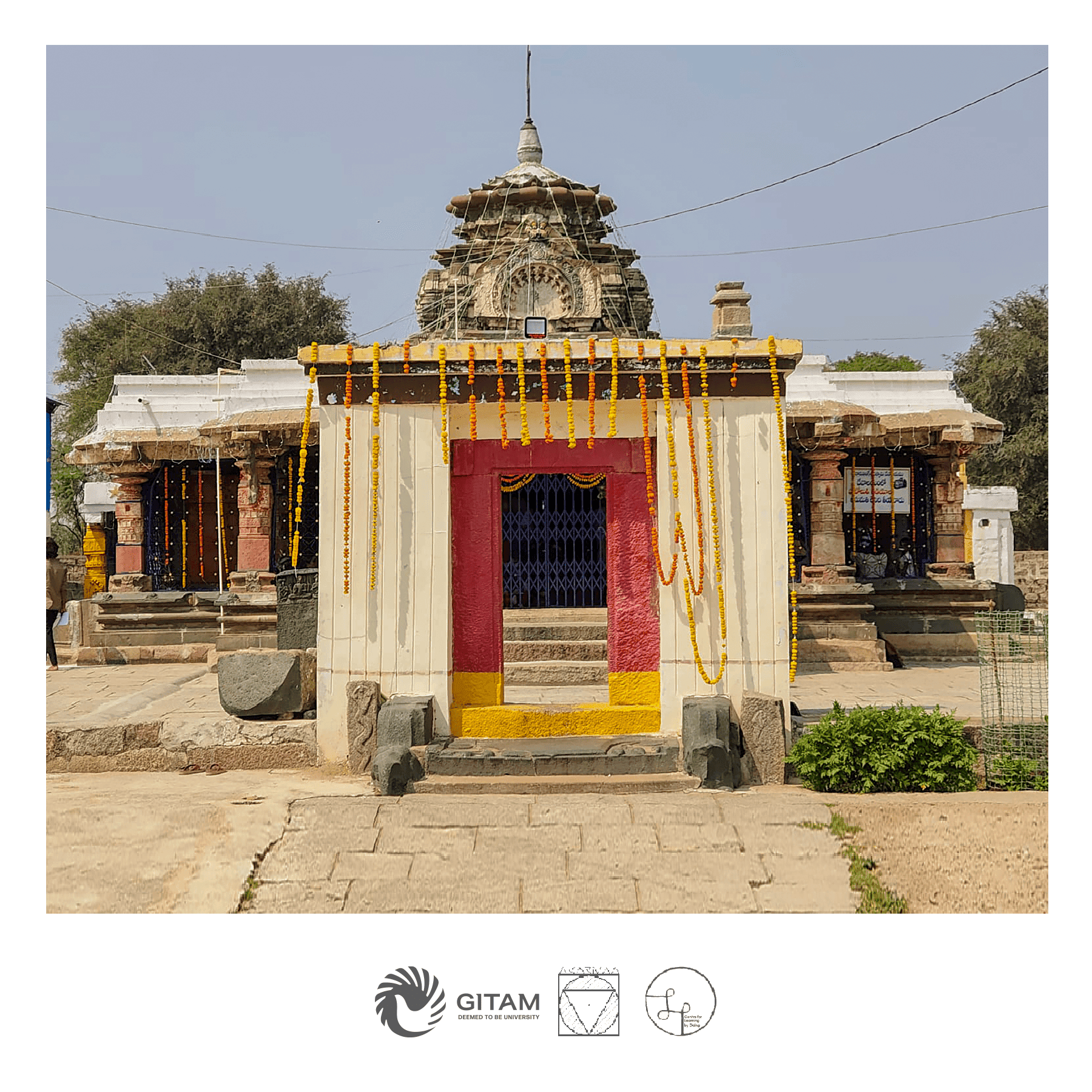
Architect Charles Correa’s expression in his article the Public, the Private, and the Sacred captures the timelessness of creation, change and challenge; setting ground for the exploration of the 11th-century temple Nandikandi.
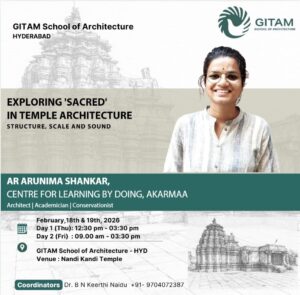
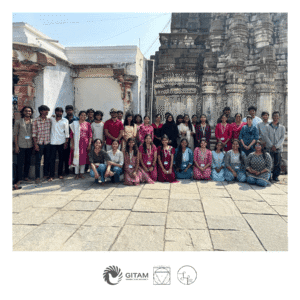
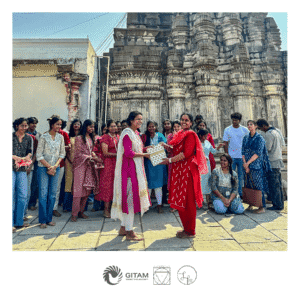
The two-day experiential workshop on exploring temple architecture with students of Gitam School of Architecture, Hyderabad: Exploring ‘Sacred’ in Temple Architecture Structure, Scale, and Sound had everyone involved and satisfactorily immersed.
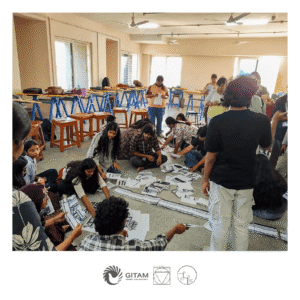
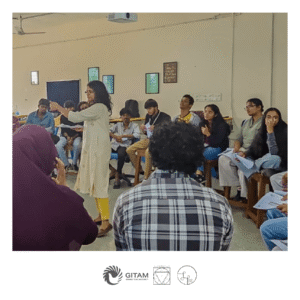
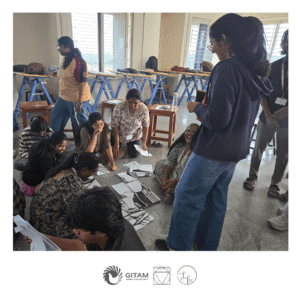
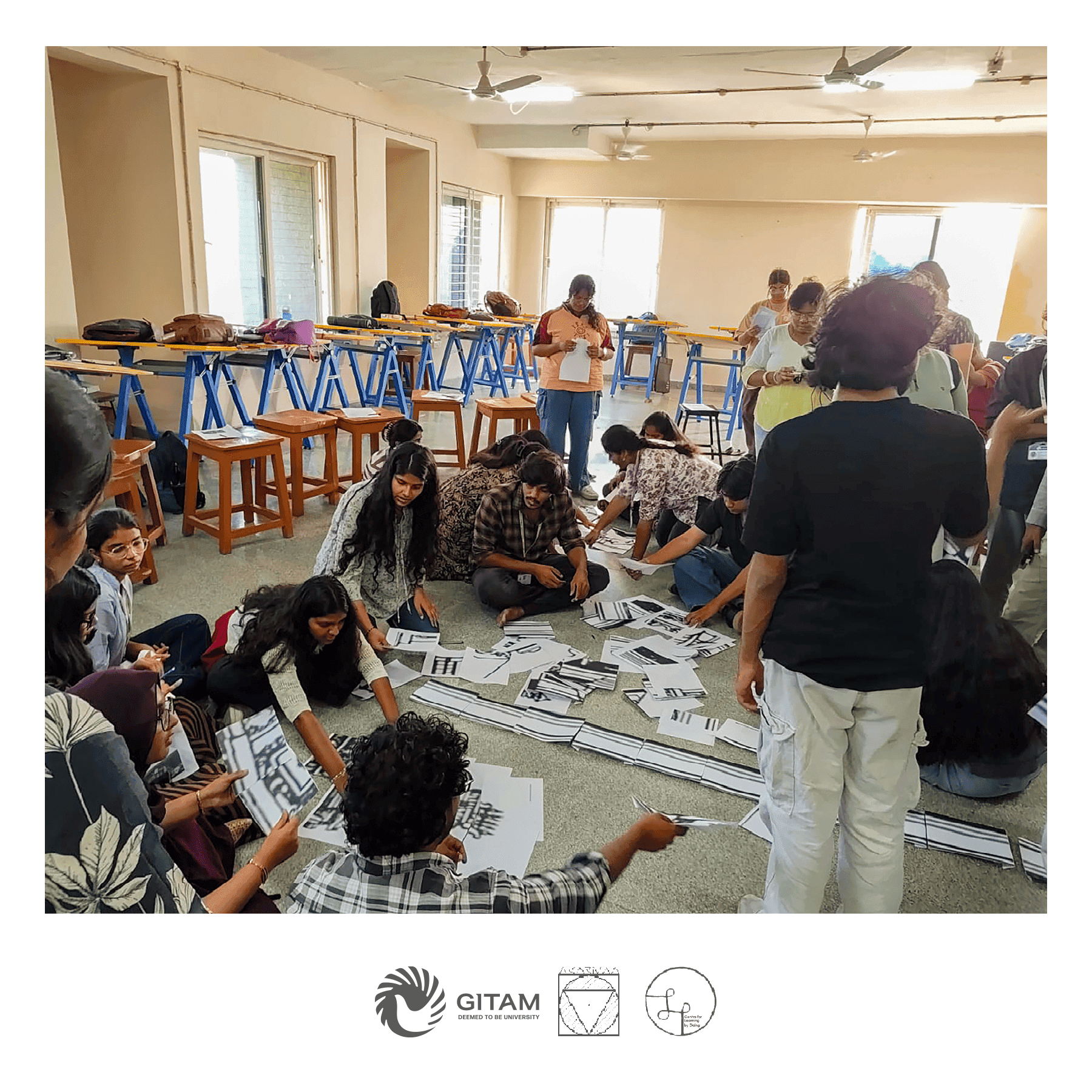
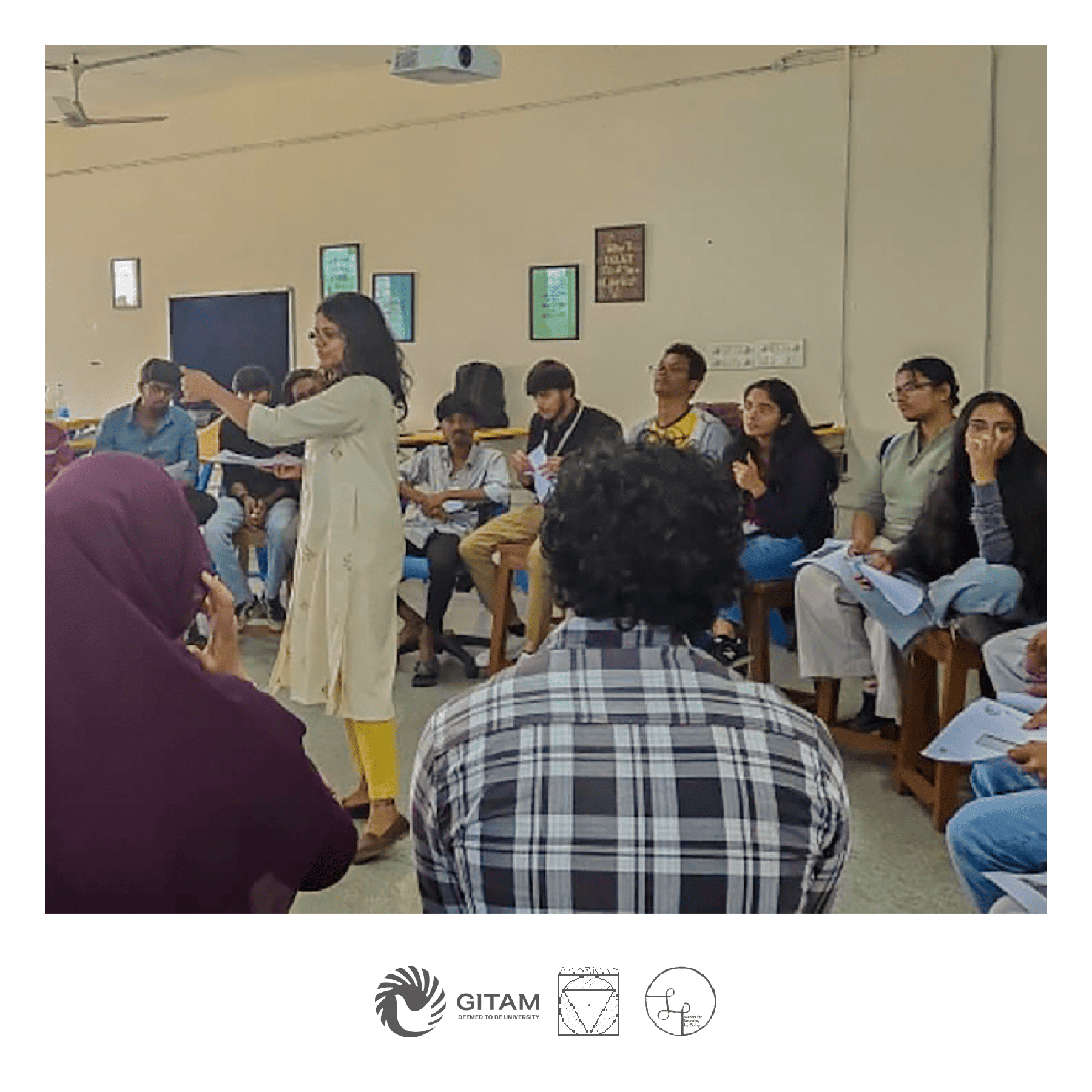
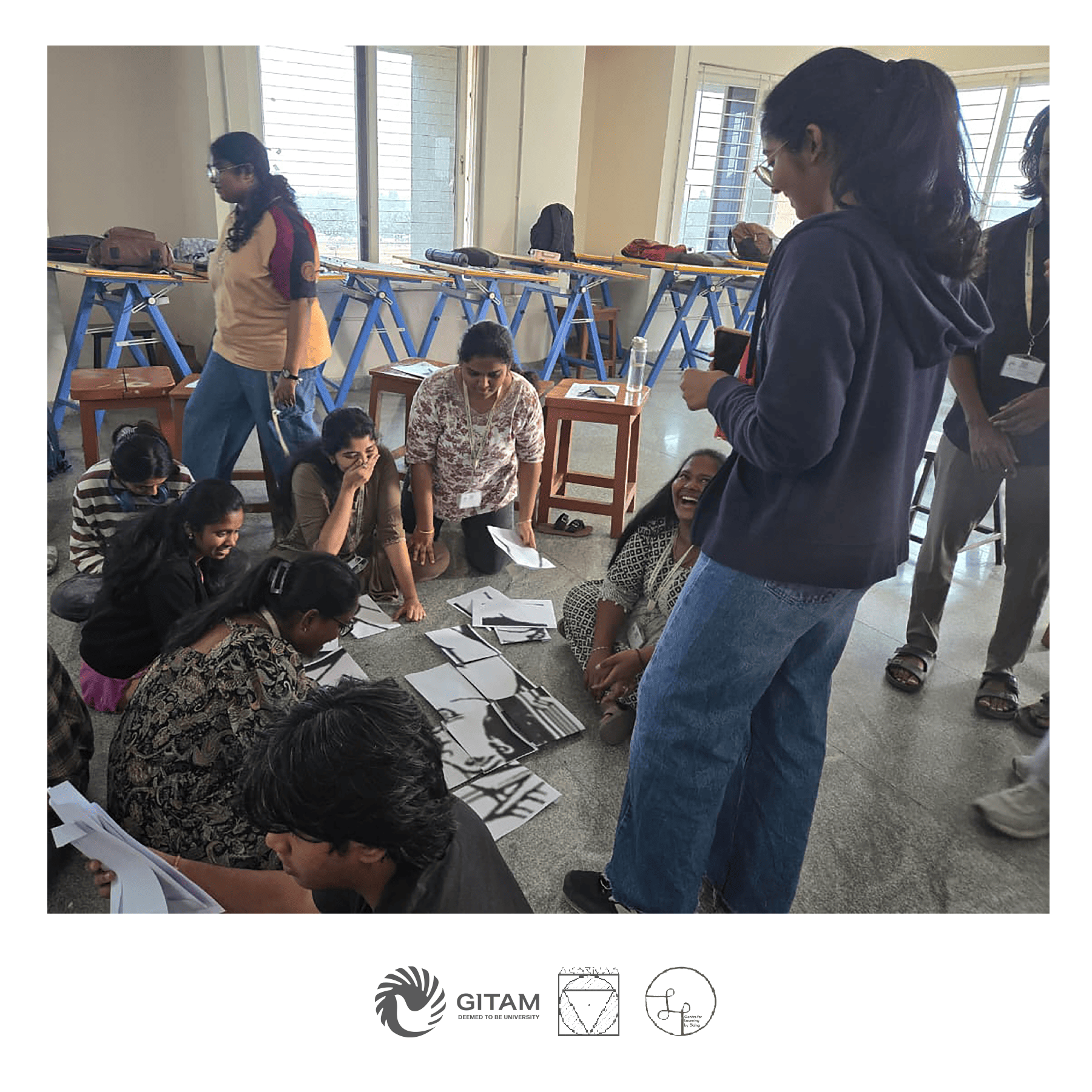
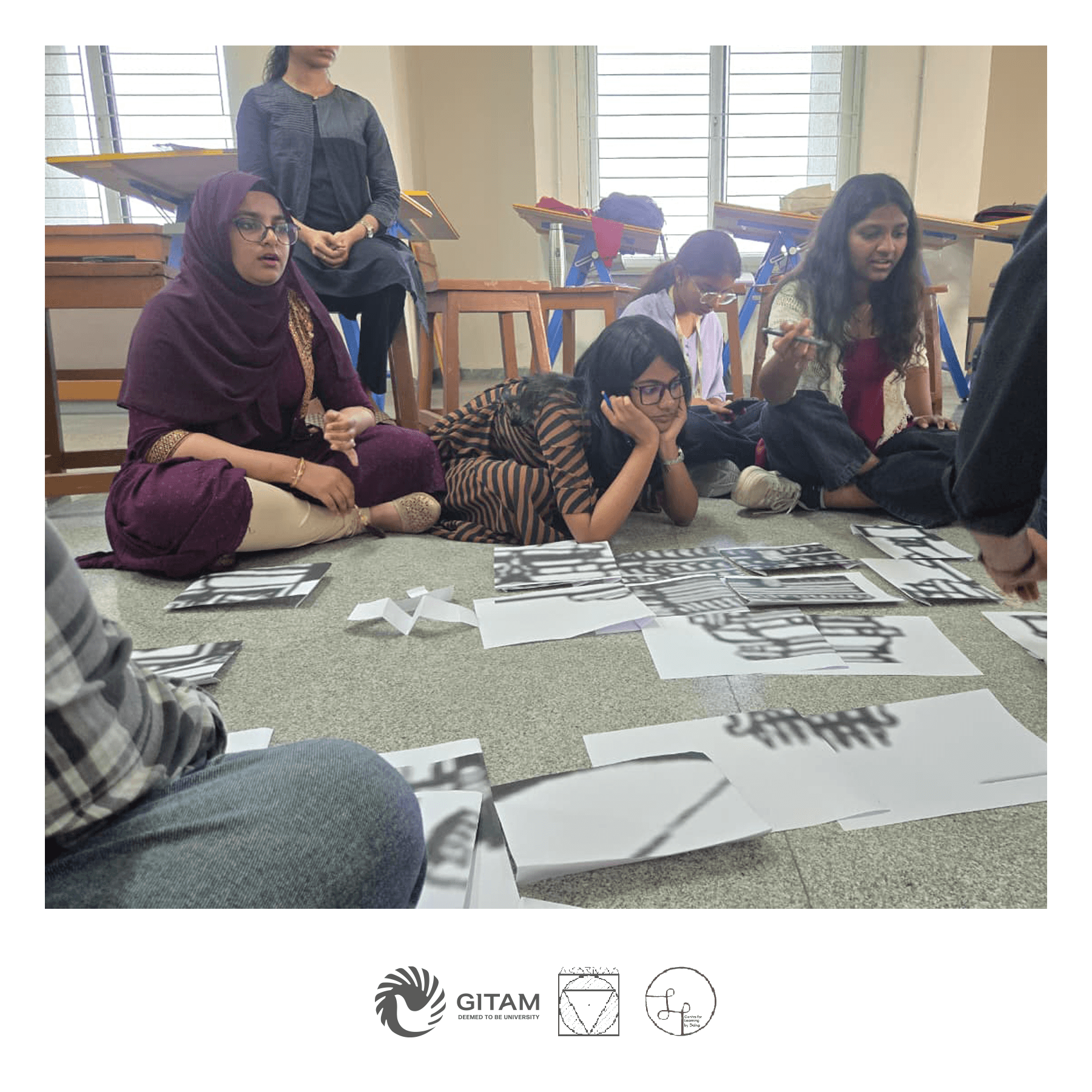
The session commenced with positioning ourselves in a circle and reading Correa’s article. Conscious attempts were made to read from print media and scribble notes on the page margins. Words from the text paved the way to discussions. The notion of temple was analyzed from Puja and Prasadam to the different constructs of religious, social, economical, political, and the probable portmanteaus. The dialogues directed towards the traditional structure of a Temple was introduced through a picture puzzle. While the scale of the image posed the first challenge, the idea of a temple’s sectional form in relationship to a man (cosmic man) was initially impalpable. It was fascinating to see how the participants automatically divided themselves in two groups, one putting together pieces of the built fabric, another putting together pieces of the human they’ve identified; only to realise their imbricate towards the end The discussion threaded towards how one structure catered to the plethora of intent people approached it with, the question of meaning of ‘magic’; a word that lingered around from the reading through the session. The first session concluded with these food for thought and a practice of humming together in unison.
The day two commenced with a bus journey to the Nandikandi temple. The bus stopped at the highway and the path ahead was to be taken by foot. The participants were paired in groups of two, with one person blindfolded and another person describing the space, the details and guiding their partner through. The experience began with bringing forth to use the different senses and the essence of teamwork. The very act of gathering at the mandapam enveloped several experiences, the fear of walking blind, the continuous voice of guidance and descriptions, the stubbing of toes, the texture of stone and carvings, the sudden changing of light from black to red wothing the blindfold, the cooling of the subtle breeze, the smell of incense, the sound of the bell, the sudden loudness of the group members talking, the hush quieting, the instruction of the activity, and the echoes of humming.
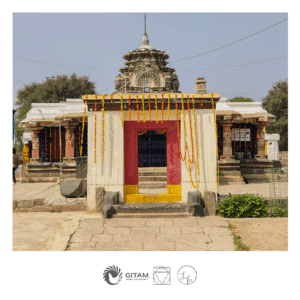
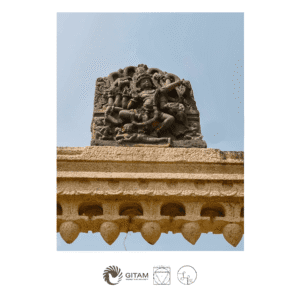
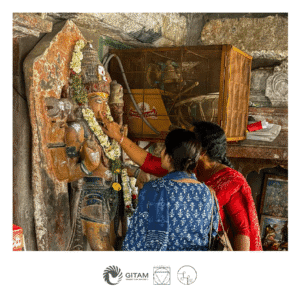
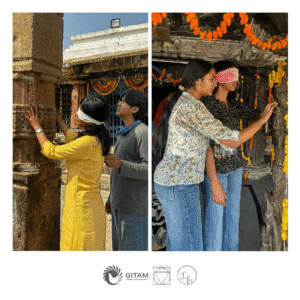
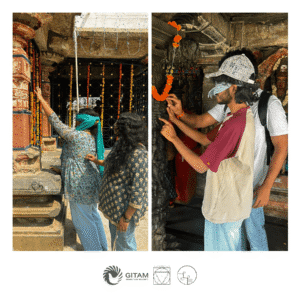
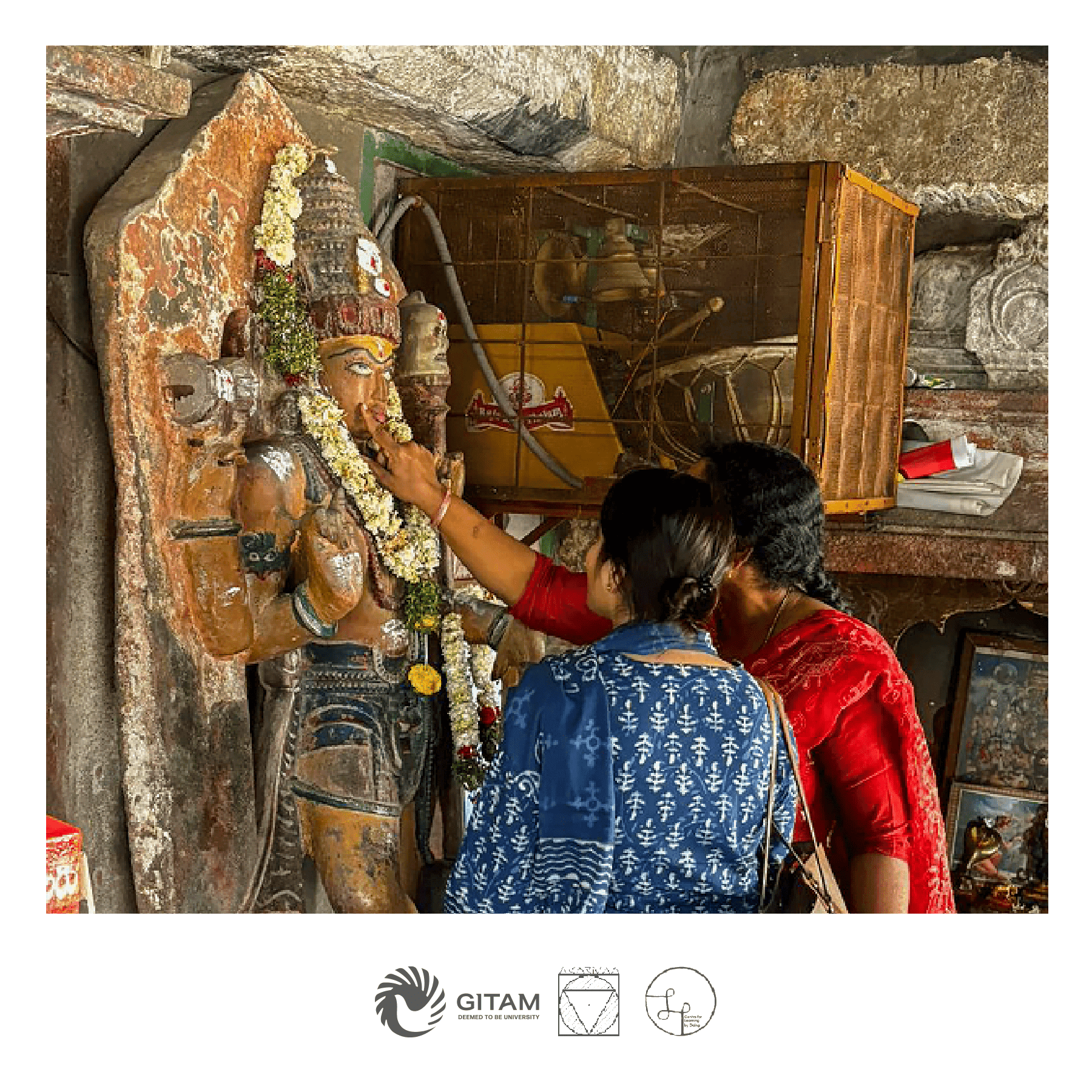
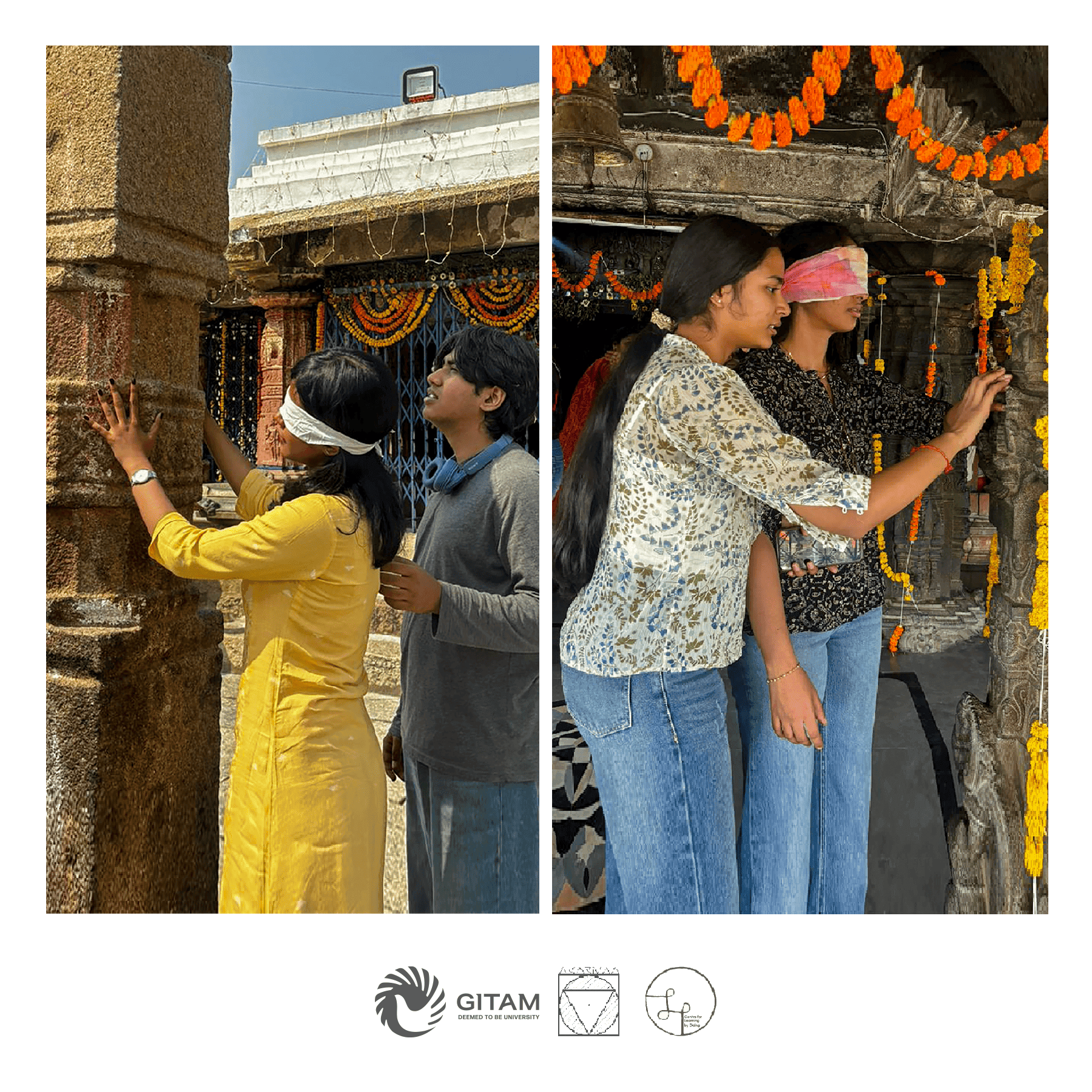
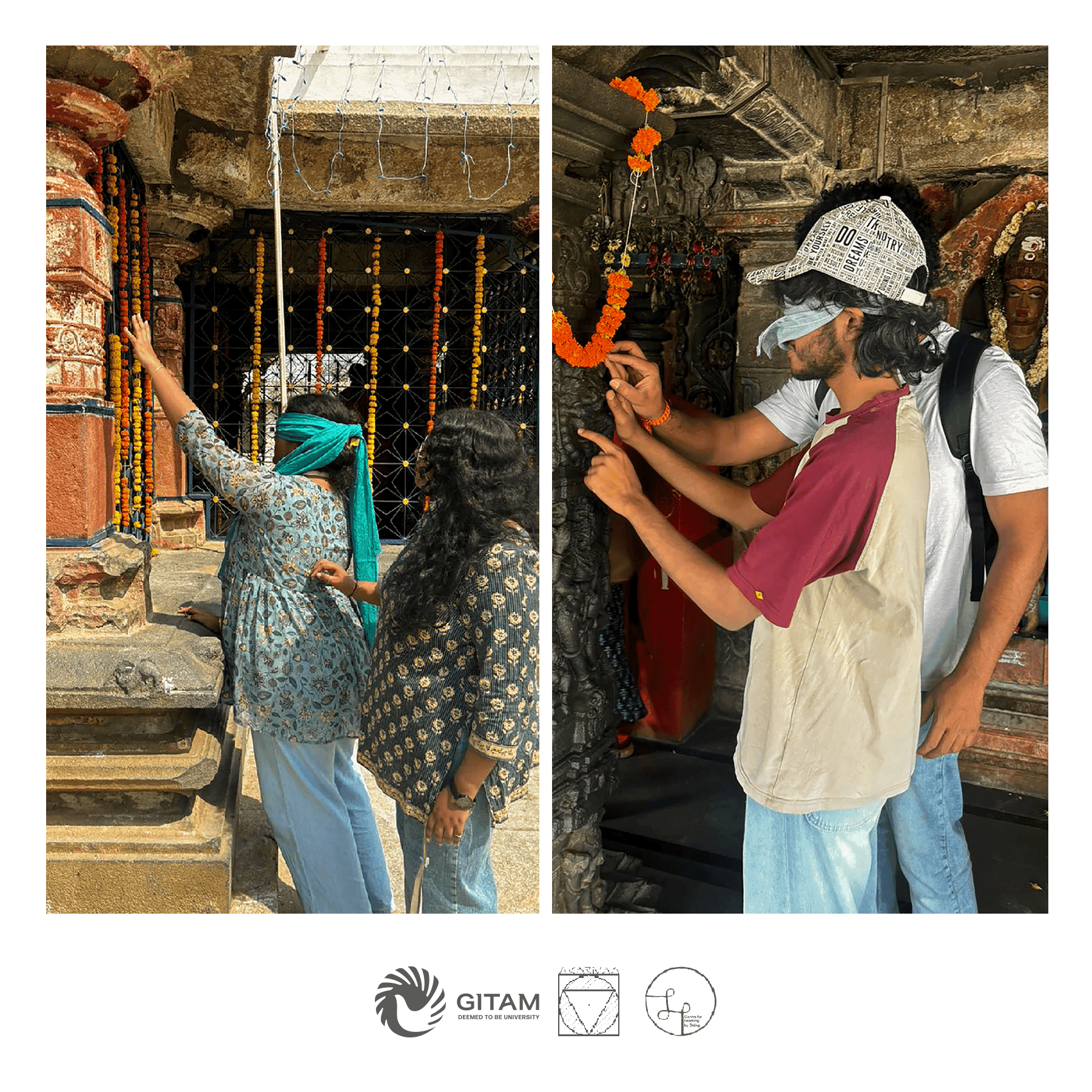
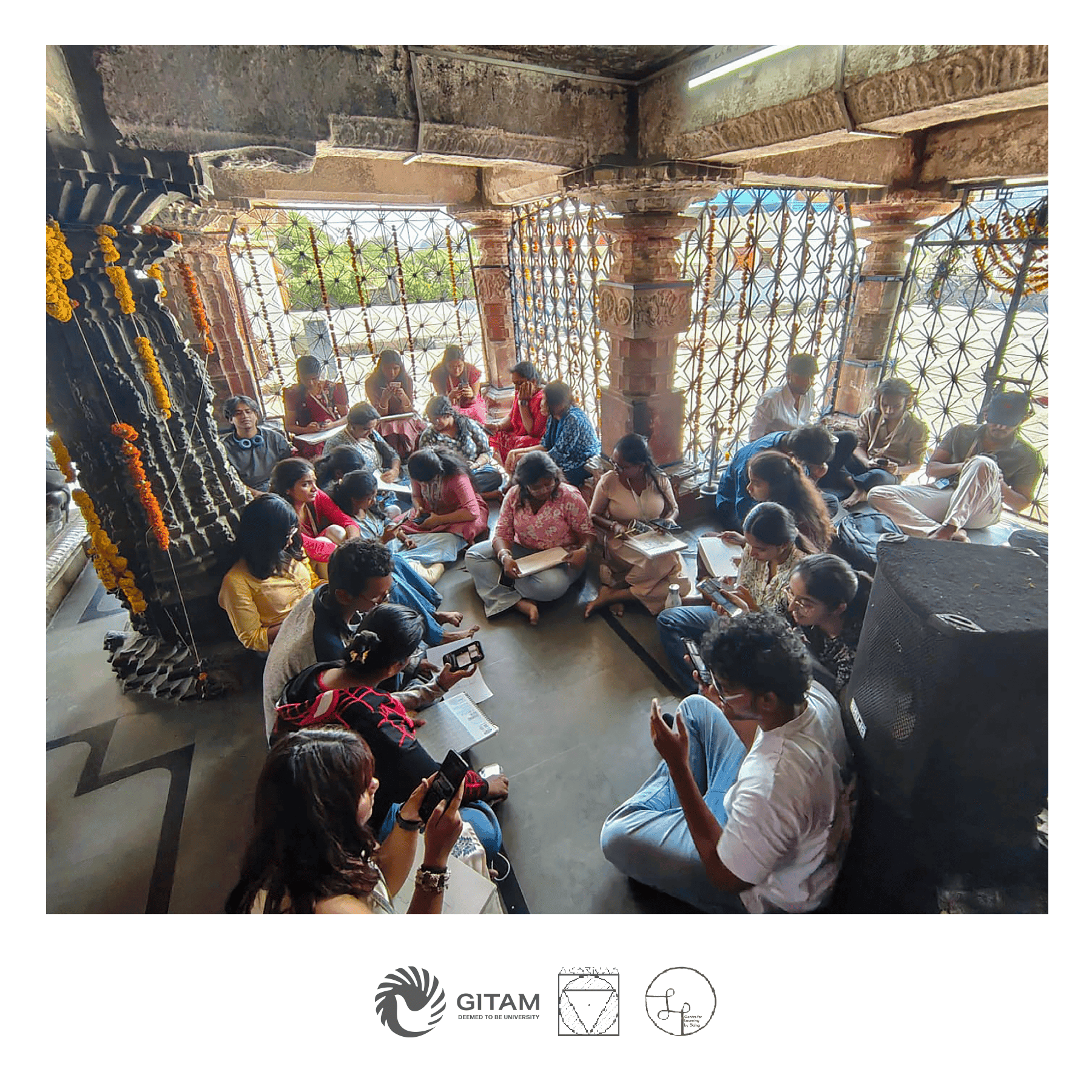
Walking blindfolded inside the temple allowed me to experience the space through sound, temperature, texture, and movement rather than sight. I felt how architecture communicates with other senses (texture, smell, sound) and emotion through the body and senses, not just visual form”, said one while another “felt the place through senses and my partner explained every inch in detail so I could imagine the whole place”.
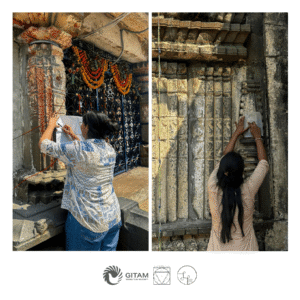
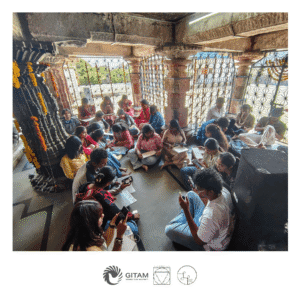
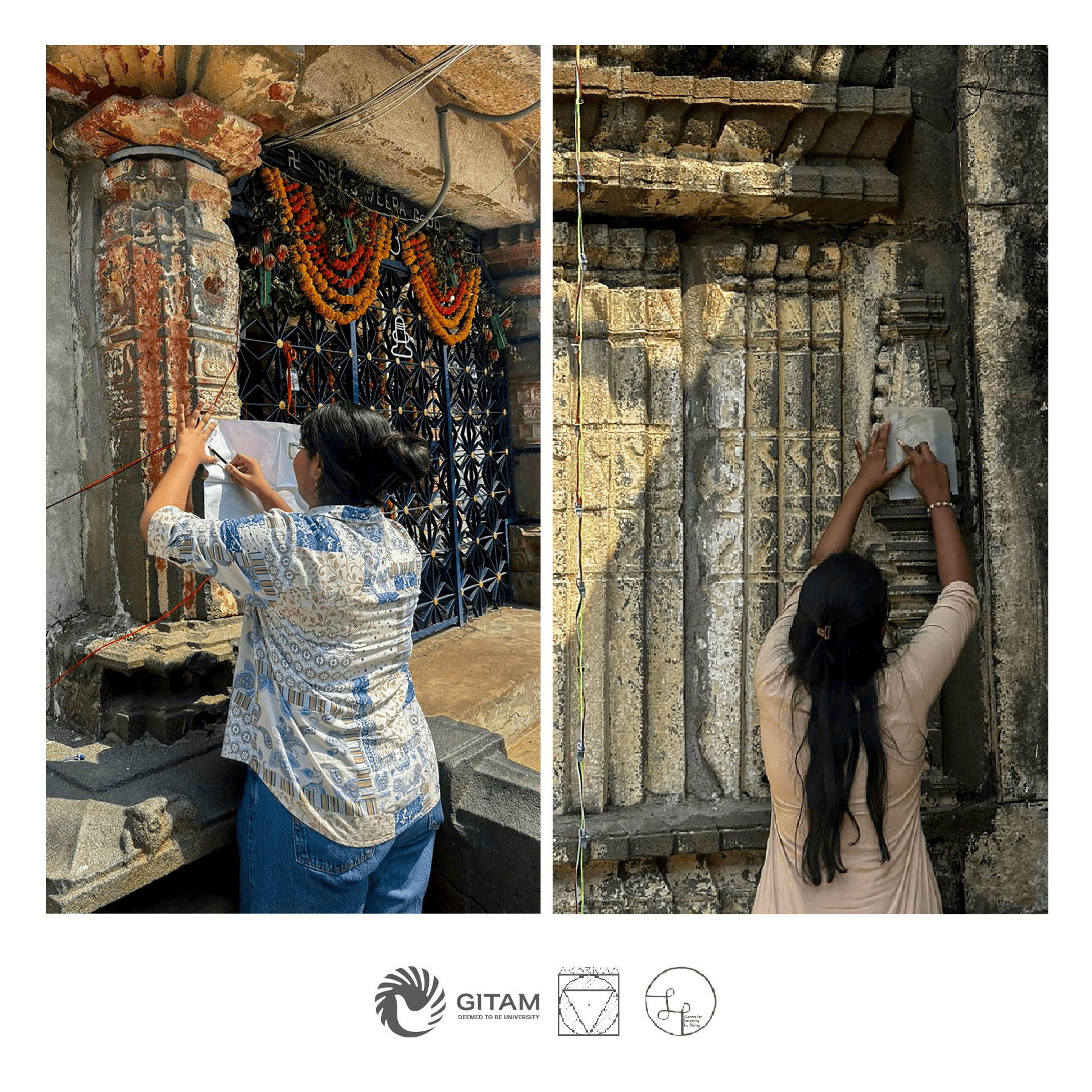
The persons who were blindfolded assembled and positioned themselves to sketch from their experience without seeing the temple space yet. The observers went ahead to trace the engravings and explore by themselves.
“Guiding my partner made me realise that though we may describe things accurately, everyone always has different perspectives”, each person explored the space by themselves and share common expressions.
“It was very interesting exploring the temple and seeing the different carvings. The process of being an guide resulted in observing the things with more focus!”
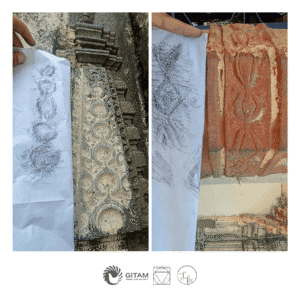
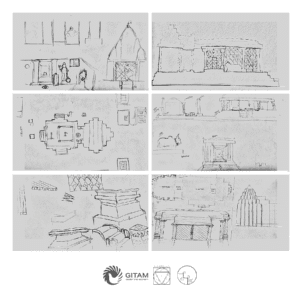
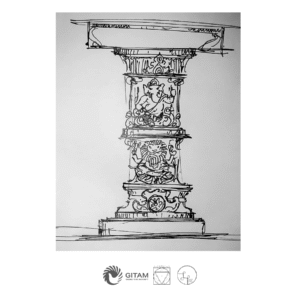
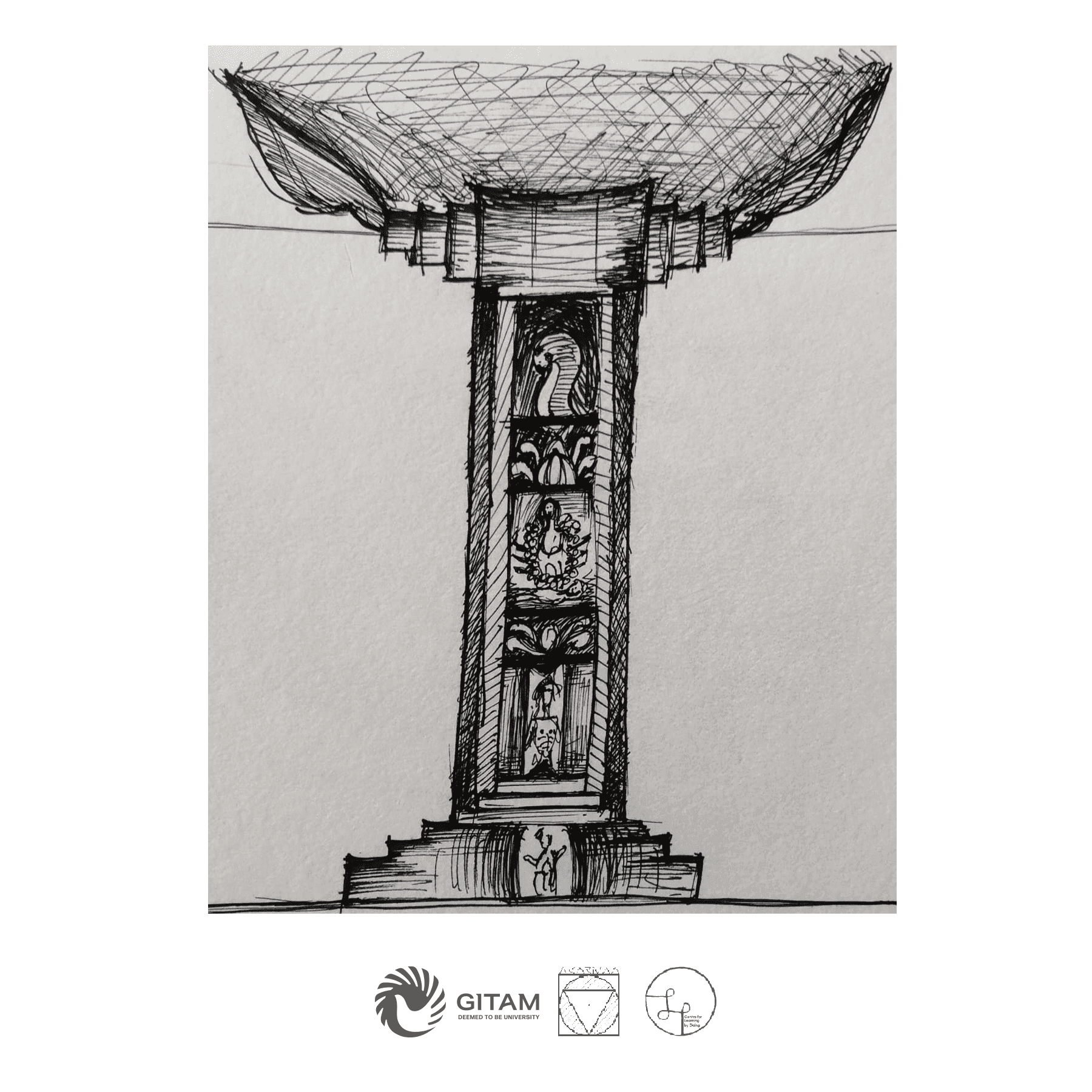
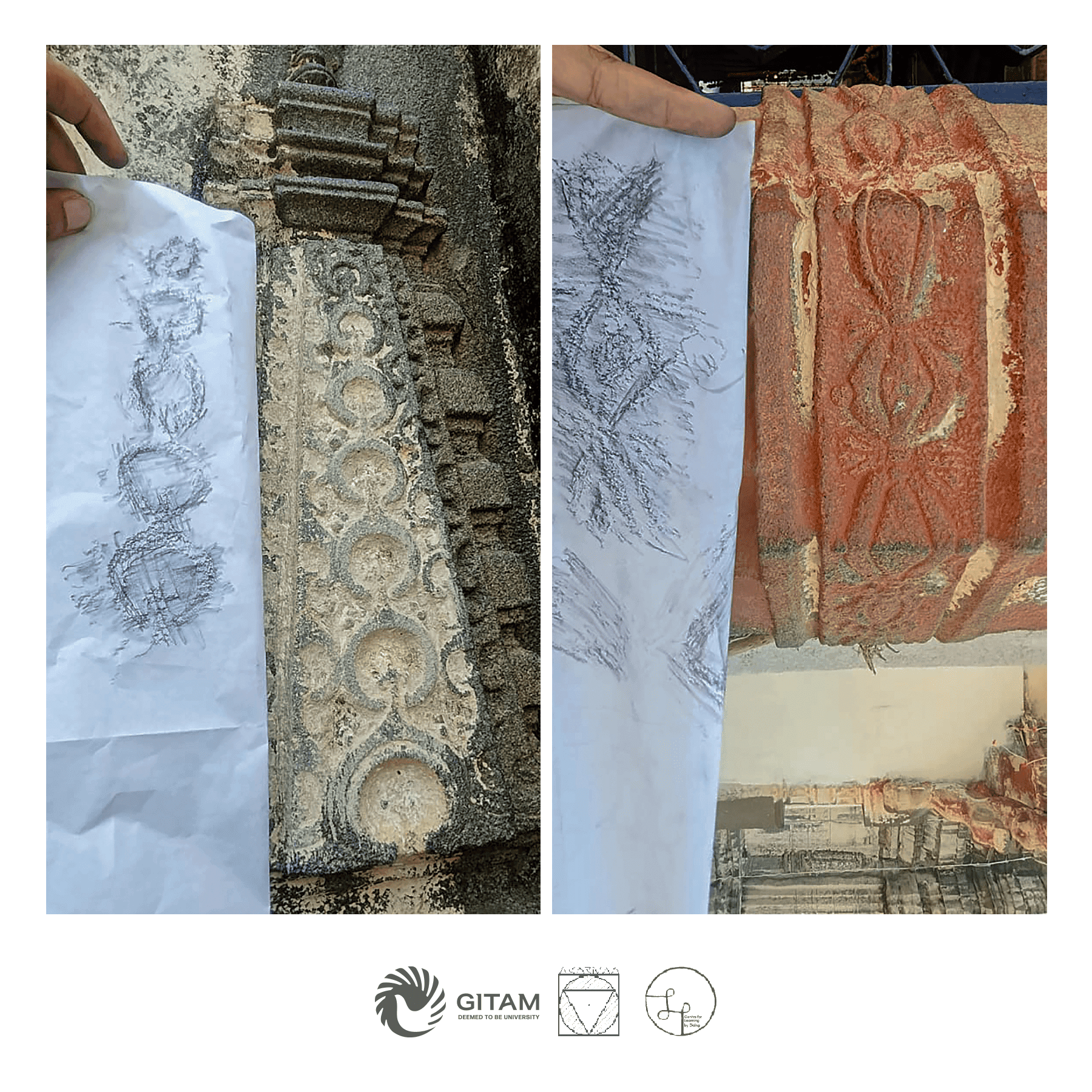
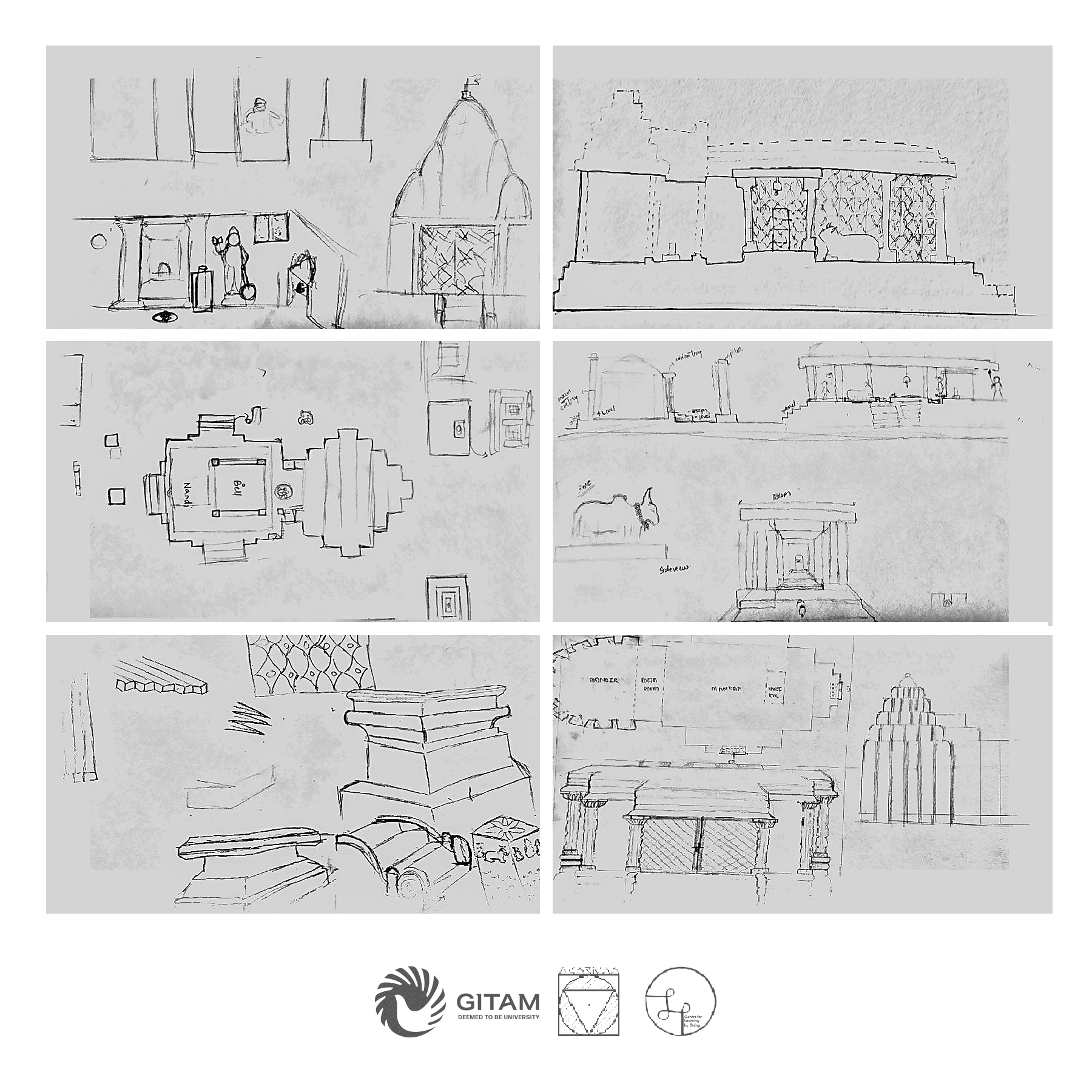
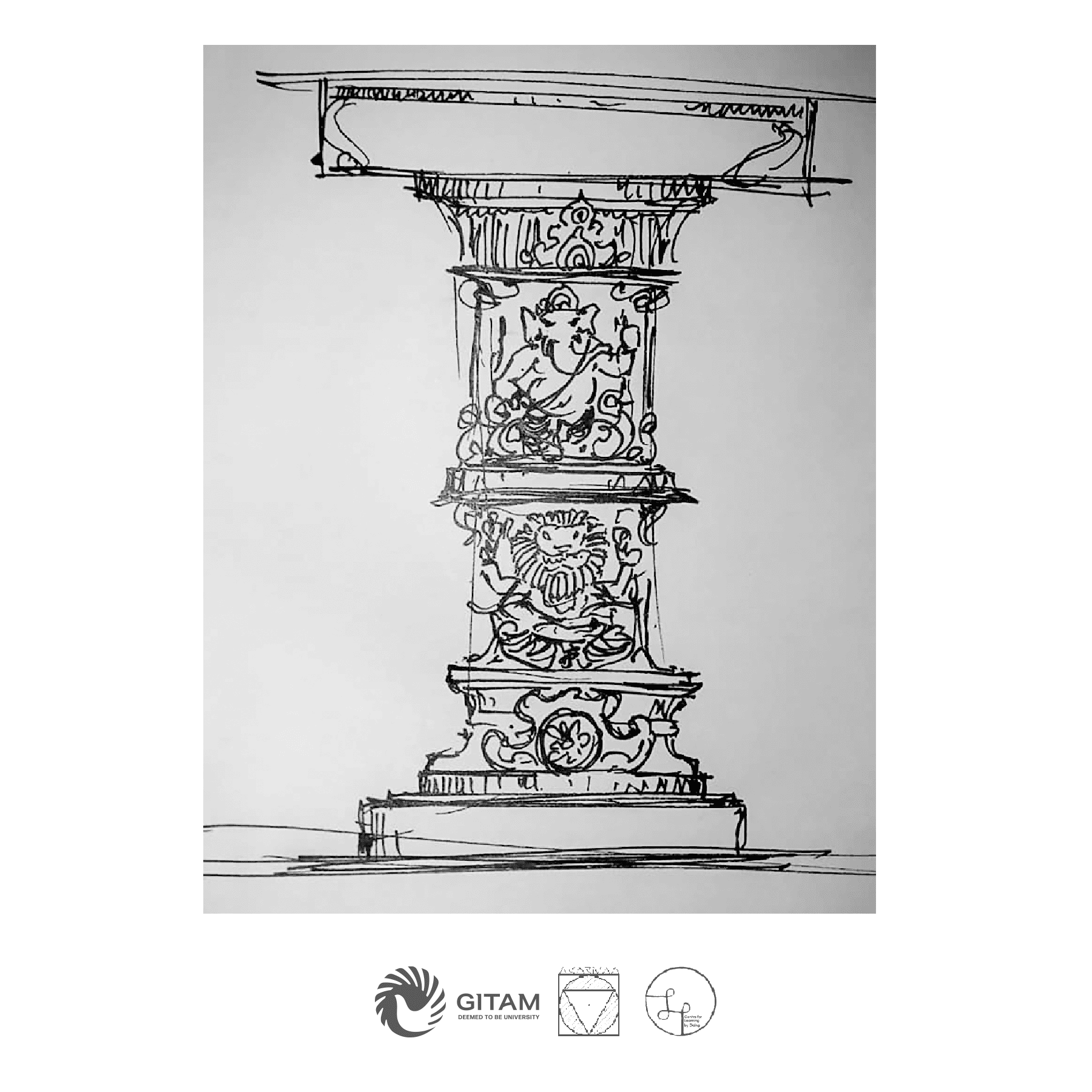
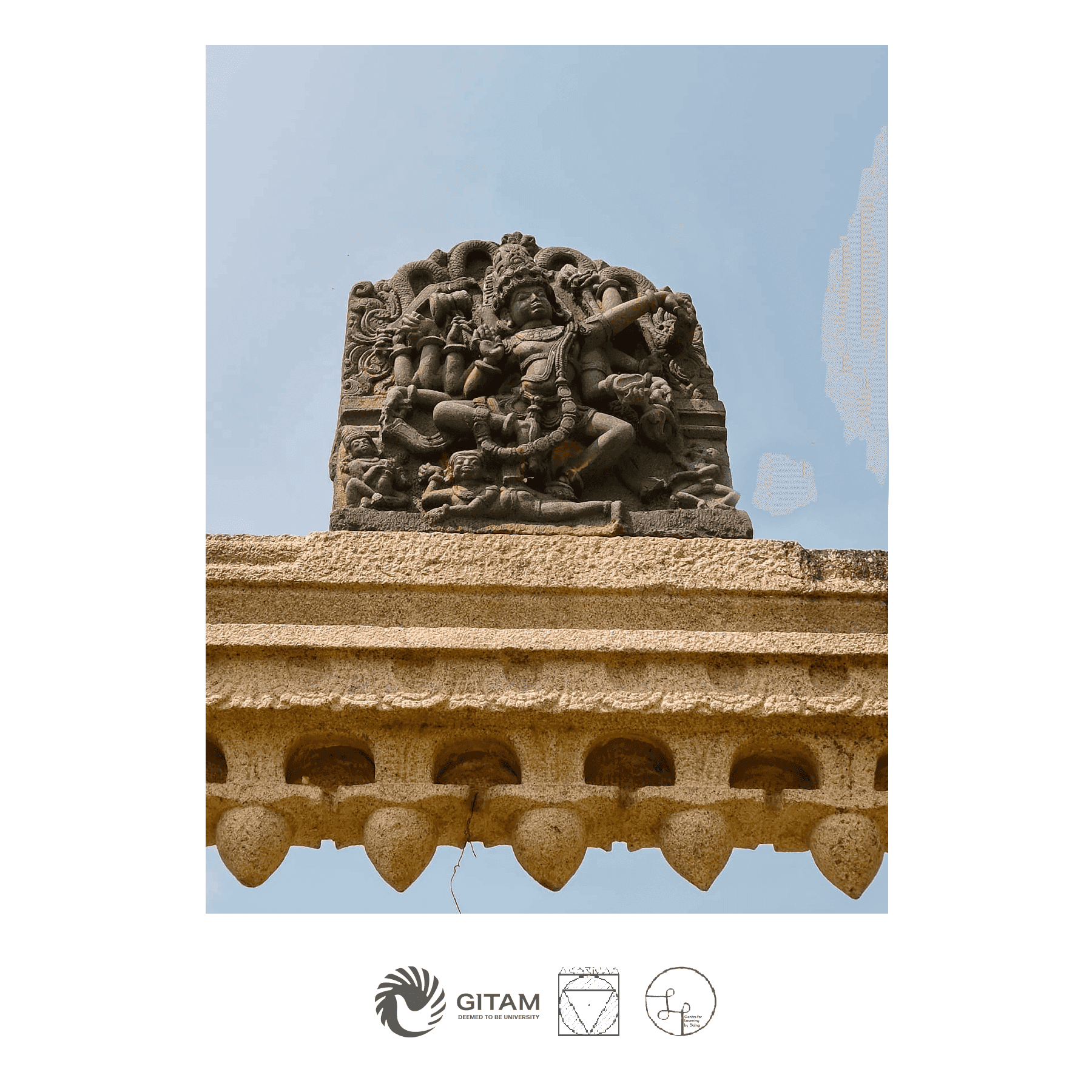
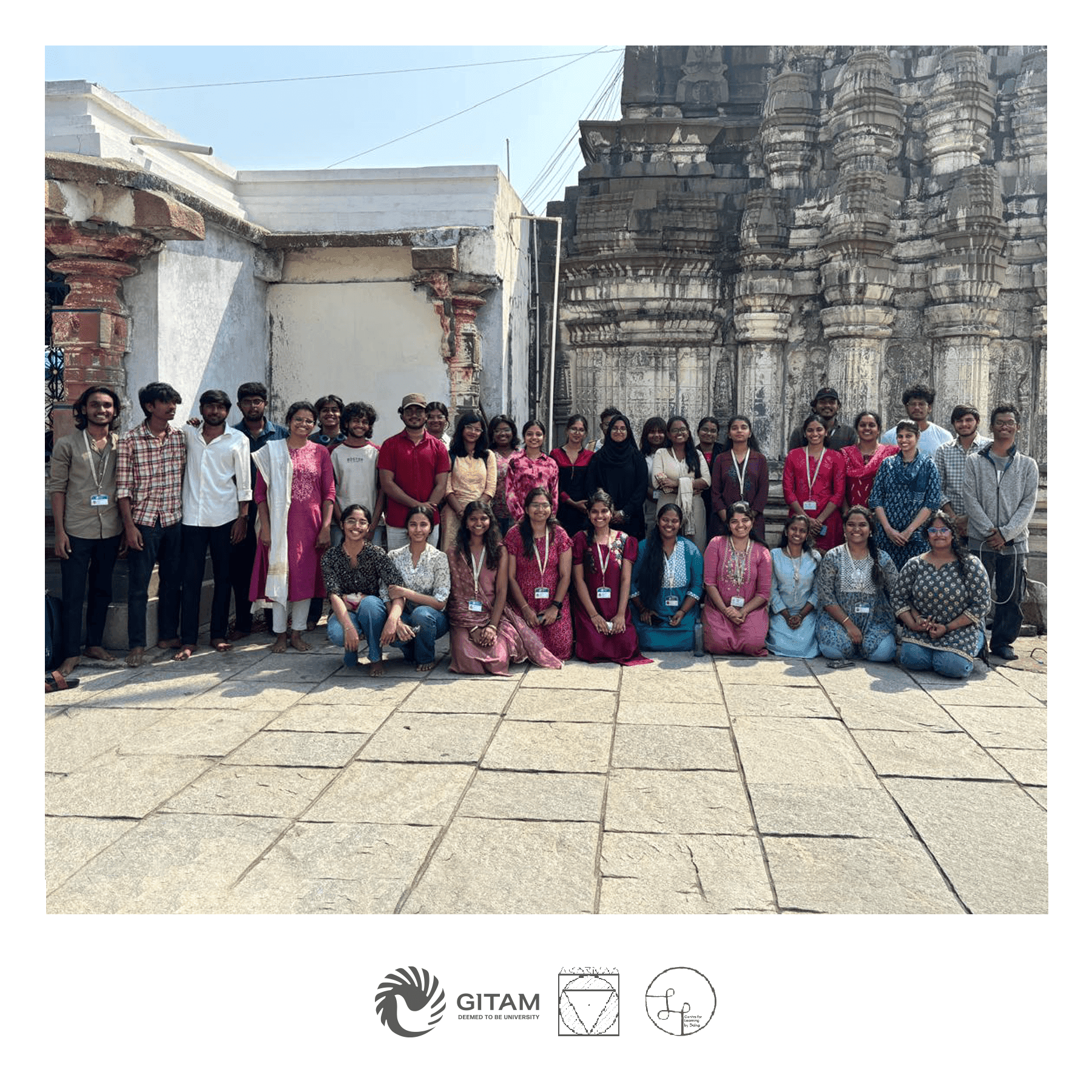
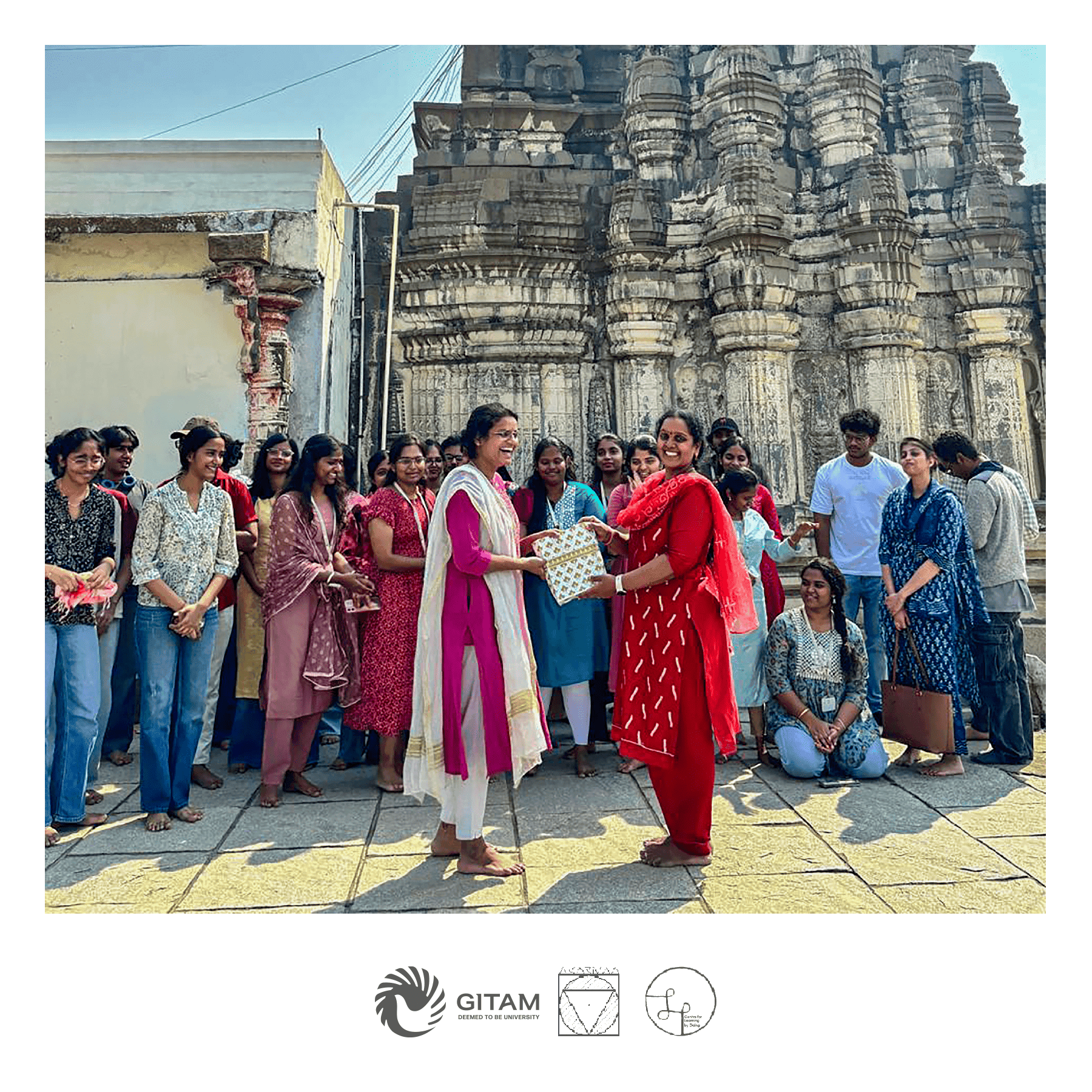
We gathered again in the mandapam, alongside groups of women visiting the temple and men from the local village; witnessing devotional and community aspects of a Temple with other aspects of its form, spatial order, structure, material, time and technology of construction, the energy patterns. Socio-economic, socio-political, and the layered construct of a Temple beyond prayer and prasadam. “It was more about clearly understanding about how ornamentation is done like the uniqueness of it in this simple structure which we just can’t understand by having a simple glance”. The closing circle shared experiences, the tangible and intangible expression of ‘magic’ and the transformation of ideas and aspirations from 1000 years to now. The workshop culminated with food, a group photograph and relishing of the stick ice candy from the local market.
As we journeyed back, this account also circles back to the article we began with,
“… we will have to learn how to transform mythic images and values and reinvent them in terms of new aspirations. We must enlarge our perspective so as to take cognizance of not only the public and private issues involved in our decisions but of the sacred ones as well. Together, these three realms can sensitize us not only to the manifest world that we can see and feel but also to the invisibilia that lie beneath”.
Hosted by: GITAM School of Architecture and Centre for Learning by Doing